Asbestos-Linked Rubbish in Lee: Safe Steps to Take
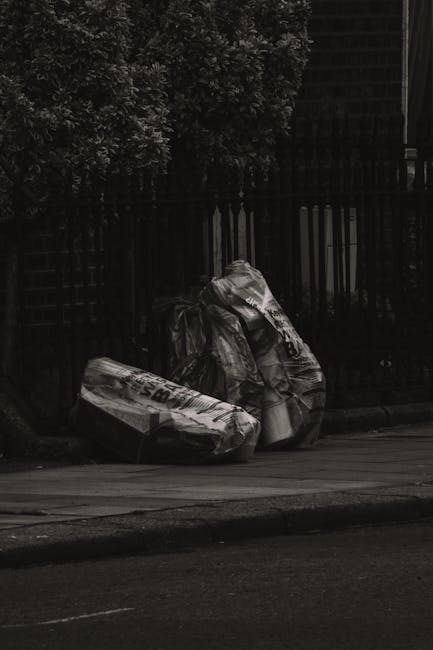
If you have found damaged insulation board, old pipe lagging, dusty broken sheet material, or a suspicious bundle of rubbish during a clear-out in Lee, it is easy to feel stuck. Do you move it? Bag it? Sweep around it? Truth be told, that is exactly where a lot of people make things worse. Asbestos-linked rubbish in Lee needs a calm, careful response, because the main risk usually comes from disturbing the material, not just from seeing it. This guide walks you through the safe steps to take, what the warning signs look like, and how to make sensible decisions without panicking.
You will also find practical checks, common mistakes, and a realistic example of how a job might unfold in a home, flat, loft, garage, or commercial space. The aim is simple: help you protect people first, then sort the clearance properly.
Why Asbestos-Linked Rubbish in Lee: Safe Steps to Take Matters
Asbestos is one of those materials people often recognise by name but not by appearance. That is part of the problem. It can turn up hidden inside older building waste, broken ceiling panels, garage boards, pipe insulation, floor tiles, textured coatings, and even mixed rubbish from a loft or renovation. If the waste has been smashed, dragged, cut, or swept up in a rushed way, fibres may be released into the air. You do not want that around children, neighbours, tradespeople, or yourself.
In a busy place like Lee, where homes, flats, and refits often sit close together, the impact of mishandling asbestos-linked waste can spread beyond one room. A dusty bag left in a hallway, a pile in a shared yard, or a damaged sheet moved through a stairwell is more than an inconvenience. It becomes a safety issue. And to be fair, the mistake is usually made in good faith: people just want the place tidy again.
The reason safe steps matter is not drama, it is control. Good decisions early on reduce exposure, reduce contamination, and reduce the chance of expensive rework later. That alone makes the whole job feel less overwhelming.
Key point: if you suspect asbestos-linked rubbish, your first goal is not removal. Your first goal is to stop disturbance.
How Asbestos-Linked Rubbish in Lee: Safe Steps to Take Works
The safest approach follows a very plain principle: identify, isolate, assess, then arrange the right handling route. People sometimes imagine there is a clever DIY method for this. There really is not. The practical process is about reducing risk at every stage.
1. Identify what looks suspicious
Look for older sheet material, brittle grey or white boards, debris with a fibrous texture, broken insulation, and dust from a building-era item that looks out of place. You are not trying to prove it is asbestos by eye. That is not reliable. You are simply spotting items that deserve caution.
2. Stop anyone from disturbing it
Keep people away. Close the door if you can do so without brushing the material. Avoid walking through dust. If the waste is outside, limit access and keep pets well clear. One quick moment of panic sweeping can create a bigger headache than the original problem.
3. Avoid dry cleaning
Do not vacuum with a regular household machine, do not sweep, and do not break the waste into smaller pieces. Those actions can spread fine dust. Sometimes people think they are being helpful by "just tidying up a bit." Unfortunately, that is exactly how small issues become larger ones.
4. Arrange proper advice or removal
If the waste might contain asbestos, you want informed handling. That may involve specialist assessment, controlled collection, or disposal through a suitable route. In practice, many readers pair safe waste handling with broader clearance support, especially if the material was found during a builders waste clearance or a full property tidy-up.
5. Keep everything traceable and separate
Mixed waste is messy from a compliance point of view. If suspicious material is mixed into general rubbish, sorting becomes harder and more expensive. Separation also helps anyone dealing with the waste later understand what they are looking at.
A useful way to think about it: the process is less "take it away quickly" and more "take away the risk properly." That difference matters.
Key Benefits and Practical Advantages
When asbestos-linked rubbish is handled carefully, the benefits go beyond just safety. The whole job tends to become simpler, cleaner, and less stressful. You also reduce the chance of accidentally contaminating other items during a clearance. That matters in places like lofts, garages, offices, and home refurbishments where one awkward bag can affect the rest of the project.
- Lower exposure risk: fewer disturbed fibres and less airborne dust.
- Cleaner working environment: the rest of the property stays more manageable.
- Better decision-making: you can tell what needs special attention and what does not.
- Reduced chance of cross-contamination: especially useful in shared spaces and smaller flats.
- Less stress: when there is a clear process, people stop guessing.
If you are also clearing other items at the same time, it can help to separate the asbestos concern from the general tidy-up. For example, a property may need routine house clearance or loft clearance alongside a cautious approach to the suspect material. Keeping those jobs distinct is one of those boring-but-smart things that pays off.
Expert summary: treat anything asbestos-linked as a containment and decision problem first, and a disposal problem second. That order saves trouble.
Who This Is For and When It Makes Sense
This topic matters to a wider group of people than you might think. It is not just for landlords or building contractors. In real life, it often comes up when someone is clearing out a family home after years of accumulation, removing old garage contents, or sorting through renovation debris at the back of a property.
You may need this guidance if you are:
- a homeowner who has found old building debris during DIY work
- a tenant or landlord dealing with abandoned rubbish in a flat
- a tradesperson who has uncovered unexpected material on site
- a business owner clearing out storage, office stock, or back-room waste
- someone sorting a garage, loft, shed, or basement that has not been touched for years
It also makes sense if you are unsure whether a clear-out is safe to continue. A common scenario is this: you open a loft hatch, spot broken board fragments, and notice a powdery dust layer near them. Nothing is certain at that point, but the job should slow down immediately. That pause is sensible, not overcautious.
If you are dealing with a commercial site, broader waste management planning may matter too. In those cases, services like business waste removal or office clearance may be part of a wider organised response, provided the asbestos-related element is handled separately and correctly.
Step-by-Step Guidance
Here is a practical step-by-step approach you can follow if you discover suspected asbestos-linked rubbish in Lee. Keep it calm and simple.
- Stop the work immediately. Put tools down. Do not keep cutting, moving, or sorting the debris.
- Limit access to the area. Shut doors, put up a temporary barrier, or ask others to stay out.
- Avoid creating dust. No sweeping, no vacuuming with standard equipment, and no dry brushing.
- Check what else may be affected. Look around for nearby bags, fabric, cardboard, or porous items that could have picked up dust.
- Do not mix waste streams. Keep suspect material separate from general rubbish, furniture, and recyclable items.
- Plan the next move. Decide whether the material needs specialist handling, collection, or further assessment before anything else happens.
- Document what you found. A few clear notes or photos from a safe distance can help later. Not glamorous, but very useful.
If the item is inside a room, ventilation should be handled carefully. Opening windows may help with general air movement, but do not let that become an excuse to disturb the material. If the item is in a loft or garage, resist the urge to drag it to a better position. Better position for dust, maybe. Not better for safety.
For mixed rubbish around the site, it can help to separate standard clear-out work from anything potentially hazardous. A broader waste removal job may still be possible, but only once the asbestos-linked part is identified and set aside appropriately.
Expert Tips for Better Results
A few experienced habits make a big difference here. None of them are dramatic. That is the point.
- Keep the area quiet and still. Fewer footsteps, fewer knocks, fewer accidental brushes.
- Use clear language with everyone involved. Say "suspected asbestos-linked waste" so the risk is understood.
- Separate hard and soft items. Boards, dust, and bagged rubbish should not be treated as the same thing.
- Take your time with access routes. Stairwells, narrow hallways, and shared entrances can complicate things more than people expect.
- Think about the end point before you start. If you do not know where the waste is going, you do not really have a plan yet.
One small but useful habit is to create a "do not touch" zone with the simplest means available. Even a short verbal warning to family members or neighbours can prevent problems. It sounds obvious, but when people are busy, obvious things get forgotten. Happens all the time.
If the issue is part of a larger property tidy-up, it may also be worth looking at home clearance or flat clearance options for the non-hazardous items. That separation helps the work move forward without forcing everything into one risky pile.
Common Mistakes to Avoid
Most asbestos-related mishaps happen because someone tries to be helpful too quickly. It is a very human error. Here are the big ones to avoid.
- Assuming all grey board is harmless. It may be, or it may not be. Do not guess.
- Sweeping or vacuuming the dust. That is a classic way to spread contamination.
- Breaking large pieces into smaller ones. More fragments usually means more mess and more risk.
- Mixing it with other rubbish. This makes sorting and disposal much harder.
- Carrying it through busy shared areas. Hallways, lifts, and communal spaces are not the place for improvised handling.
- Using standard clearance logic for a hazardous job. A normal clutter clear-out is not the same as handling suspect asbestos waste.
Another mistake is waiting until "later" to deal with it. Later tends to mean someone else brushes past it, moves it, or kicks up dust. If the material is suspicious, later is not a brilliant strategy.
Tools, Resources and Recommendations
To stay safe, you do not need a truckload of specialist gear at home. In fact, overconfidence with the wrong tools can be worse than having no tools at all. The most useful resources are usually practical rather than flashy.
| Resource | What it helps with | Best use |
|---|---|---|
| Clear bags or containment materials | Keeping suspect items separate | Only for controlled handling, not casual tidying |
| Labels or simple notes | Showing what the item is and where it was found | Useful when several people are involved |
| Basic barrier materials | Blocking access to the area | Handy in homes, flats, and shared spaces |
| Camera or phone photos | Recording the situation from a safe distance | Useful for decision-making and quotes |
In many cases, the best recommendation is not a physical tool at all. It is a sensible workflow. If you have already booked a broader clear-out, make sure any suspect material is flagged early so the job can be planned properly. That includes related spaces like the garage or garden store if they contain old renovation waste.
For example, if the asbestos-linked rubbish is found while you are sorting a garage, the rest of the non-hazardous items may still be dealt with separately through garage clearance. If the waste came from an outdoor tidy-up, then garden clearance may apply to the safe, ordinary materials once the risky items are isolated.
Law, Compliance, Standards, or Best Practice
Because asbestos is a regulated safety issue in the UK, the right approach is to treat it with care and follow accepted best practice. This is not an area for vague guesses or casual disposal. Duties can vary depending on who owns the property, what the material is, and how the waste was generated, so the safest advice is cautious and specific rather than overconfident.
In practical terms, best practice usually means:
- not disturbing suspect material unnecessarily
- keeping it separate from normal household or commercial waste
- using informed handling methods rather than improvised ones
- making sure disposal routes are appropriate for the material involved
- recording enough detail to show what was found and where
For commercial premises, clear internal procedures matter too. A workplace should not just hope a problem disappears in the skip. That would be, frankly, a terrible plan. Good practice includes staff awareness, controlled access, and a clear escalation route if suspicious material is uncovered.
It is also worth saying this plainly: if you are not sure, ask for help before moving the waste. Confidence is useful. False confidence, not so much.
Options, Methods, or Comparison Table
There are a few ways people usually respond when they find asbestos-linked rubbish. Some are safe, some are not, and some depend on the situation. Here is a simple comparison.
| Approach | What it involves | Pros | Risks or limits |
|---|---|---|---|
| Leave it undisturbed and isolate the area | Stop access, avoid contact, assess the next step | Lowest immediate risk | Requires patience and follow-up |
| Standard DIY tidy-up | Attempting to bag, sweep, or move it like normal rubbish | Feels quick at first | High chance of disturbing fibres and spreading dust |
| Controlled assessment and specialist handling | Careful review and suitable removal route | Safer, more reliable | May take a little longer and cost more than a normal clear-out |
If you are choosing between speed and safety, safety usually wins. Not because of alarmism, but because rework after a mistake is almost always slower and messier than doing it properly once.
For ongoing property work, some people also combine this with broader services like furniture clearance or furniture disposal for the unaffected items. That can keep a project moving while the suspect material is handled separately.
Case Study or Real-World Example
A local couple clearing a loft in Lee found a few broken boards tucked behind old suitcases and Christmas boxes. At first glance, it looked like ordinary building rubbish. But one board had a dusty, fibrous edge and a brittle feel that made them pause. Instead of dragging everything downstairs, they closed the loft hatch, kept the children away from the hallway, and stopped the job there.
That was the right instinct. A quick review showed that the rest of the loft contents were just normal household clutter: old lamps, books, and unused storage crates. Those could be dealt with as part of a regular home clearance plan, while the suspect boards stayed isolated and unhandled until a proper next step was arranged.
What made the difference was not special equipment. It was restraint. They did not try to be heroes. They did not "just shift the stuff out of the way." They stopped, observed, and kept the area still. Small choice, big difference. To be fair, that is what safe asbestos management often looks like in real life: boring decisions done well.
Practical Checklist
Use this checklist if you discover possible asbestos-linked rubbish in Lee.
- Stop work immediately.
- Keep other people and pets away.
- Do not sweep, vacuum, or brush the material.
- Do not break, cut, or flatten the waste.
- Separate it from general rubbish.
- Note where it was found and what it looks like.
- Check whether nearby items may also be affected.
- Plan a proper next step before moving anything.
- Use a safe route for any wider clearance work.
- Leave the area calm and undisturbed until the risk is understood.
Practical reminder: if the job starts to feel uncertain, that is usually the moment to slow down, not speed up.
For readers comparing wider clearance support, it may also help to review pricing and quotes so you can understand how a larger, mixed clear-out is handled. It is better to ask the awkward question early than discover later that the whole pile needed different treatment.
Get a free quote today and see how much you can save.
Conclusion
Asbestos-linked rubbish in Lee is one of those problems that rewards calm thinking. The safest steps are usually simple: stop disturbing the material, keep others clear, separate the waste, and choose a proper route for handling and disposal. That might feel slower in the moment, but it is almost always the smarter path.
If you are dealing with a loft, garage, home, flat, office, or mixed building waste, the key is not to treat everything as one job. Keep the suspect material separate and let the rest of the clearance move forward safely. That balance saves time, stress, and unnecessary risk.
And honestly, that is what most people want at the end of a dusty, awkward day: a clear plan, a safer space, and the quiet relief of knowing the job has been handled with care.
Frequently Asked Questions
What should I do first if I find asbestos-linked rubbish in Lee?
Stop work immediately, keep people away, and avoid moving or sweeping the material. Your first job is to prevent disturbance, not to clean it up quickly.
Can I put suspected asbestos waste in a normal bin bag?
No, not if you suspect asbestos. Mixing it with normal waste can increase risk and make disposal more complicated. Keep it separate and handle it cautiously.
How can I tell whether rubbish contains asbestos?
You usually cannot confirm it by eye alone. Old boards, insulation fragments, and dusty building debris can look similar to harmless materials, so cautious handling is the safest assumption.
Is it safe to vacuum asbestos dust?
Not with a normal household vacuum. That can spread contamination. Avoid dry cleaning methods and keep the area undisturbed until the next step is clear.
What if the rubbish is already broken or dusty?
That usually means you should be even more careful. Broken material is more likely to release dust, so the priority is containment and reduced access.
Do I need specialist help for a small amount?
Sometimes yes, sometimes the situation needs only careful isolation and proper advice. The right answer depends on the type of material, how damaged it is, and where it was found.
Can asbestos-linked rubbish be mixed with other clearance waste?
It should not be mixed with ordinary rubbish. Separate handling is safer and helps avoid cross-contamination during a wider clear-out.
What if I found it during a loft or garage clear-out?
Pause the clearance, isolate the suspected material, and continue only with the unaffected items. That is often the cleanest way to keep the project moving safely.
Is it a problem if the waste was moved through a hallway already?
It can be, especially if dust was released or surfaces were brushed against. Keep the area calm, avoid further disturbance, and assess whether any nearby items also need attention.
How long does safe asbestos-linked waste handling usually take?
It depends on the amount, access, and how mixed the waste is. A careful job may take longer than a standard clearance, but the extra time is usually worth it.
Can a normal house clearance include asbestos-linked rubbish?
Only if the risky material is identified and handled appropriately. Standard clearance is fine for ordinary items, but suspected asbestos should be treated separately from general household waste.
What is the biggest mistake people make?
Trying to tidy it up too quickly. Sweeping, bagging, or dragging the waste before understanding the risk is the kind of shortcut that can create more trouble than it solves.