Lee Green Estate Clearance: Streets, Prices & Tips
If you're dealing with a full house sort-out, a probate property, a flat that has simply collected too much over the years, or a last-minute move, Lee Green estate clearance can feel like one of those jobs that takes over your whole week. Bags, furniture, old paperwork, awkward stairs, narrow streets, parking restrictions... it adds up fast. The good news? With the right approach, it does not have to be chaotic.
This guide breaks down Lee Green Estate Clearance: Streets, Prices & Tips in a clear, local, and practical way. You'll find what estate clearance usually involves, which Lee Green streets and housing types can affect access, what tends to influence prices, and how to avoid the common mistakes that cost people time and money. If you want a cleaner, simpler next step, you're in the right place.
For readers who want to compare service options as they go, it may also help to look at house clearance, flat clearance, and furniture disposal alongside the estate-clearance process. Different properties need different handling, and that detail matters more than people often expect.
Table of Contents
- Why Lee Green Estate Clearance: Streets, Prices & Tips Matters
- How Lee Green Estate Clearance: Streets, Prices & Tips Works
- Key Benefits and Practical Advantages
- Who This Is For and When It Makes Sense
- Step-by-Step Guidance
- Expert Tips for Better Results
- Common Mistakes to Avoid
- Tools, Resources and Recommendations
- Law, Compliance, Standards, or Best Practice
- Options, Methods, or Comparison Table
- Case Study or Real-World Example
- Practical Checklist
- Conclusion
- Frequently Asked Questions
Why Lee Green Estate Clearance: Streets, Prices & Tips Matters
Estate clearance is rarely just about removing items. It often comes at a stressful time: after a bereavement, before a sale, during a tenancy change, or when a property needs to be emptied quickly for renovation. In Lee Green, the local layout can make that even more relevant. Some roads are straightforward for parking and loading; others are tighter, busier, or awkward for larger vehicles. That directly affects planning.
Why does this matter? Because a clearance job is usually priced around more than just the volume of waste or furniture. Access, labour, sorting time, recycling requirements, and whether items need dismantling all play a part. A small terrace on a tight residential street may take longer than a larger property with easy driveway access, even if the amount of stuff looks similar at first glance. To be fair, that catches a lot of people out.
There's also a trust side to it. Good clearance work should leave you with a property that is usable, tidy, and handled responsibly. If you are clearing inherited items, for example, you may need extra care around documents, sentimental belongings, and reusable furniture. A sensible provider should explain what can be reused, recycled, donated, or disposed of, rather than just sweeping everything into a van.
In practical terms, Lee Green estate clearance matters because it helps you move from "where do I even start?" to a clear plan. That plan can reduce costs, avoid delays, and protect you from last-minute stress. And let's face it, when you're already juggling keys, solicitors, or a moving date, that kind of clarity is worth a lot.
How Lee Green Estate Clearance: Streets, Prices & Tips Works
Most estate clearances follow a similar pattern, but the details vary from property to property. The process usually starts with an assessment of what needs removing, what should stay, and what is likely to require extra time. A good company will ask about access, floor level, parking, and whether there are fragile items, hazardous materials, or heavy pieces of furniture.
In Lee Green, street access can shape the job more than people realise. If the property is on a narrow residential road, near peak traffic, or has limited parking outside, the team may need more time to load items safely. If the home is on an upper floor or in a building with shared entrances, that can also affect labour and planning. These are not minor details; they are often the difference between a simple clearance and a fiddly one.
Pricing usually reflects the amount of waste or furniture, the type of items, and the labour involved. Some clearances are straightforward and can be priced after a quick visit or based on photos. Others need a more careful inspection, especially if there is loft access, heavy built-in furniture, or items that need dismantling. For a clearer sense of how quotes are typically structured, have a look at pricing and quotes.
In many cases, an estate clearance also overlaps with other services. A property may need a home clearance for general items, a loft clearance if there's stored overflow, or garage clearance for bulky tools and boxes. That overlap is normal. It just means the job should be scoped properly from the start.
One thing people often miss: "estate clearance" does not always mean "everything goes." Many jobs involve separating keep, donate, recycle, and dispose piles before anything is loaded. That step can save money and reduce waste, especially if there are saleable or reusable items. A little sorting up front goes a long way.
Key Benefits and Practical Advantages
There are a few reasons people choose a specialist clearance service rather than trying to handle everything themselves. The first is plain physical effort. Clearing an entire property means lifting, carrying, sorting, loading, and then getting rid of items properly. That is not just tiring; it can be unsafe if you're moving bulky furniture downstairs on your own.
The second benefit is speed. A proper team can empty a room, flat, or house in a fraction of the time it would take most people working around jobs, school runs, or travel. If the property needs to be handed back quickly, that matters. The third is consistency: instead of several trips to the tip, you get one coordinated job with a cleaner finish.
There is also the question of peace of mind. Good clearance work should come with sensible handling of items, transparent communication, and responsible disposal. If you want to check how a provider approaches those issues, pages like recycling and sustainability and insurance and safety are useful reading. They tell you a lot about the company's standards without needing a sales call just yet.
Another practical advantage is reduced risk of hidden delays. A clearance team that knows how to work in residential streets, manage loading safely, and separate materials properly can avoid the kind of "we'll need to come back tomorrow" situation nobody wants. You know the type. It starts with a simple job and somehow becomes two days of inconvenience. Not ideal.
Who This Is For and When It Makes Sense
Estate clearance in Lee Green makes sense for a wide range of situations, not just formal probate cases. In fact, many jobs are less dramatic than people think. It might be a family home that has been occupied for decades, a rental property that needs to be turned around quickly, or a flat where the previous tenant left a mix of furniture, bedding, and general clutter behind.
You may need this service if you are:
- dealing with the contents of a home after a bereavement
- preparing a property for sale or letting
- clearing a rental after tenants have moved out
- downsizing from a larger home to a smaller one
- dealing with bulky furniture you cannot move yourself
- sorting a loft, garage, or outbuilding that has become overfull
- emptying a property before refurbishment
It also makes sense if you live in a flat or maisonette with tight access. Stairs, shared hallways, and awkward corners can make DIY clearance harder than it looks. A couple of heavy wardrobes and a staircase can become a real headache, especially if the item is too large to safely dismantle without the right tools.
There's a softer side too. Sometimes people simply do not have the emotional bandwidth to clear a property themselves. That is completely understandable. The work can be physically demanding, but it can also be draining in a more personal way. A decent service should recognise that and keep things straightforward, respectful, and calm.
Step-by-Step Guidance
If you want the smoothest possible clearance, a little structure helps. Here's the process that usually works best.
- Walk through the property
Make a note of every room, loft, shed, garage, cupboard, and storage area. Even small spaces can contain more than you expect. - Separate keep, sell, donate, and remove
This is the step that saves time and often money. Be strict with yourself. If something has been "maybe useful" for three years, it may be time. - Take clear photos
Photos help with quoting and reduce surprises. Include awkward items, stairs, access points, and parking conditions if possible. - Check access and timing
Think about road width, parking restrictions, lift access, busy periods, and whether neighbours might be affected by loading. - Ask what is included
Confirm labour, loading, disposal, recycling, and whether dismantling is part of the quote. - Book a date that gives breathing room
If the property is linked to probate, sale completion, or tenancy changeover, leave enough buffer. Things always take longer than the spreadsheet says. Always. - Do a final sweep before removal day
Set aside documents, keys, sentimental items, and anything you are not fully sure about.
If you are also dealing with specialist items, you may need extra services. For example, furniture-heavy properties can benefit from furniture clearance, while business premises need a different approach such as business waste removal or office clearance. Matching the service to the property is a simple step, but it makes a big difference.
Expert Tips for Better Results
The best clearance jobs are usually the ones that were planned carefully, not the ones that were rushed. Start by identifying the heaviest and most awkward items first. If there is a big wardrobe, sofa, or filing cabinet that needs dismantling, ask about that early rather than leaving it as a surprise on the day.
Try to group items by type before the team arrives. For example, keep books together, small electricals together, and linens together. It sounds basic, but it helps the removal team work faster and it makes it easier to recycle or donate where appropriate. Small effort, big payoff.
If you are in one of Lee Green's tighter streets, think about parking before you think about anything else. That may sound dramatic, but it isn't. A perfectly good clearance can be slowed by a van that cannot pull in close enough to the property. If you know there are restrictions, mention them upfront. Better still, give a little local context when you request the quote.
Here are a few tips that tend to help:
- photograph rooms in daylight if possible
- keep anything personal or valuable out of the clearance area
- tell the company about stairs, basements, or loft ladders
- ask whether items can be reused or donated before disposal
- book earlier in the week if you want more flexibility
- request written confirmation of what is included
And one more practical point: if you are comparing companies, do not focus only on the lowest quote. A quote that looks cheap at first can become expensive if it excludes labour, access issues, or proper disposal. Slightly dull advice, perhaps, but it saves headaches.
Common Mistakes to Avoid
The most common mistake is underestimating how much there is to clear. People often remember the obvious items and forget the hidden ones: loft boxes, old paperwork, under-bed storage, cupboards, garden clutter, and that one corner of the garage where everything has been stacked since 2019. You know the one.
Another mistake is assuming every clearance can be done in the same way. A first-floor flat, a family house, and an office unit all have different access and disposal needs. If you book the wrong type of service, you can end up paying more or wasting time explaining the property on the day.
It's also easy to forget about fragile or sensitive items. Estate clearances can involve personal papers, photographs, wills, financial records, and keepsakes that should be handled separately. A careful sort before the team arrives prevents accidental disposal. Once something goes, it's gone. That's the uncomfortable truth.
Other mistakes to watch for:
- not asking whether quotation is based on photos or a site visit
- leaving access information until the last minute
- failing to check what happens to recyclable materials
- assuming all waste removal is the same
- booking too close to a completion or handover deadline
If you want to avoid most of these problems, start with clarity. A slightly slower start almost always produces a smoother clearance. Bit boring, yes. Effective, absolutely.
Tools, Resources and Recommendations
You do not need a van full of equipment to prepare for an estate clearance, but a few basic tools can make the sorting stage easier. Strong bags, marker pens, tape, a torch for lofts and cupboards, and a phone for photos are usually enough. If there are bulky items to move safely, do not improvise with tired hands and a hopeful attitude. That route rarely ends well.
Useful resources include:
- about us if you want to understand the company background and approach
- contact us for a direct quote or to discuss a property layout
- recycling and sustainability for how materials are handled responsibly
- health and safety policy for safety standards and working practices
- payment and security if you want reassurance around how transactions are handled
If your clearance includes a garden, shed, or overgrown outdoor area, it may be worth looking at garden clearance. For roof spaces or storage-heavy homes, loft clearance is often the better match. It sounds obvious, but using the right service page helps you compare like with like.
One small recommendation from practical experience: keep a simple note of what you have asked the company to remove. It avoids awkward "was that staying or going?" moments later on. A short checklist in your phone is enough. No need for a project management saga.
Law, Compliance, Standards, or Best Practice
Estate clearance sits inside a wider set of UK waste-handling expectations, so it is worth choosing a provider that works carefully and responsibly. You do not need to become an expert in waste law to book a clearance, but you do want to know that items are being moved, sorted, and disposed of in a sensible way.
In practice, good providers should be clear about insurance, safety procedures, and how they manage waste streams. They should also be able to explain what happens to reusable furniture, recyclable materials, and general waste. If a company is vague about where items go, that is usually not a great sign. Plain and simple.
It is also wise to check terms before booking. The company's terms and conditions should explain the commercial basics, while the privacy policy and cookie policy cover how personal information is handled online. For customers with specific needs, the accessibility statement can be helpful too.
For larger or more complex jobs, ask about insurance and safety before the team arrives. That is especially sensible if there are stairs, tight access points, or items that require dismantling. A careful approach is not just a nice extra; it is part of doing the job properly.
Options, Methods, or Comparison Table
There is more than one way to clear a property, and the best option depends on time, access, volume, and how much sorting you want to do yourself. Here is a simple comparison to help you think it through.
| Method | Best for | Pros | Trade-offs |
|---|---|---|---|
| DIY clearance | Very small jobs with lots of free time | Can feel cheaper at first, full control over sorting | Time-consuming, physically hard, multiple trips, disposal responsibility falls on you |
| Partial self-sort + collection | Properties with a mix of keep and remove items | Reduces volume, can lower price, more control | Needs organisation, still requires lifting and access planning |
| Professional estate clearance | Most full-house, flat, probate, and time-sensitive jobs | Fast, coordinated, easier on the body, less hassle | Costs more upfront than DIY, but often better value overall |
| Specialist room-based service | Lofts, garages, furniture-heavy homes, offices, gardens | More tailored, better fit for specific spaces | May need more than one service if the property is varied |
For many Lee Green properties, the balanced choice is a professional clearance with a little pre-sorting from the customer. That combination often gives the best value, especially where access is tricky or the contents are mixed. Not glamorous, but efficient.
Case Study or Real-World Example
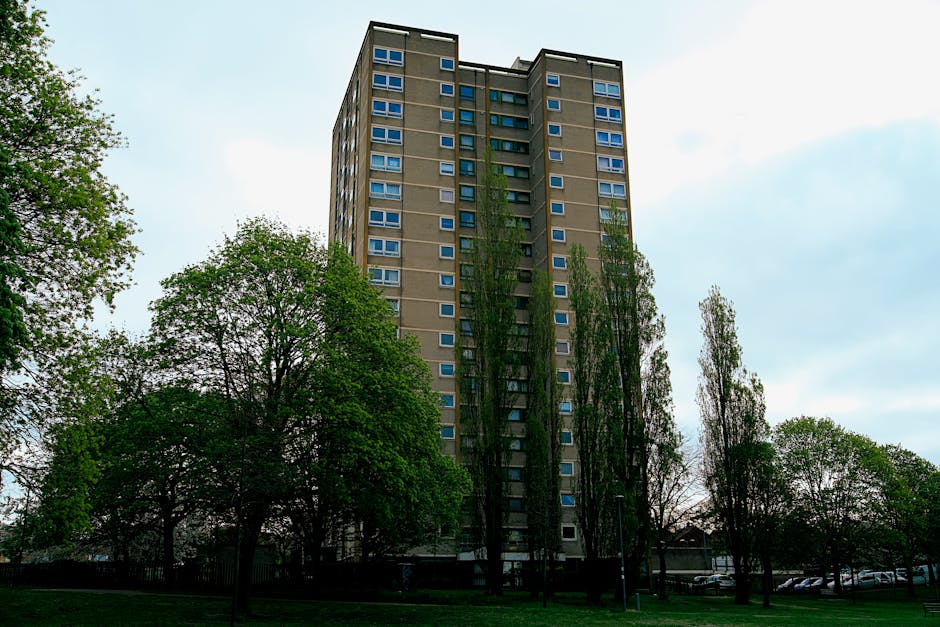
Imagine a typical Lee Green property: a two-bedroom flat above street level, with a small hallway, a box room used for storage, and a couple of large items that need dismantling. There are old chairs, a wardrobe, books, kitchen bits, and a few sentimental items tucked away in drawers. Nothing extraordinary, but enough to feel overwhelming on a Friday afternoon.
The first step is a quick walk-through and photo set. The resident separates documents and keepsakes into a safe box, then groups reusable items in one corner and obvious waste in another. A few items are too bulky to carry safely without dismantling, so that is flagged in advance. Parking is checked, because the street is busy later in the day and a van needs room to load without blocking neighbours.
On the removal day, the team works through the property methodically. Reusable furniture is separated from general waste, smaller items are bagged, and the flat is left clear and ready for cleaning. What looked like a full weekend of stress becomes a few hours of organised work. There is still a bit of dust on the floor and that faint old-furniture smell, which is pretty normal, but the hard part is done.
The big lesson here is simple: the better the preparation, the smoother the clearance. A little structure at the start changes the whole experience. And yes, that applies even when the place feels like a mountain of stuff.
Practical Checklist
Use this quick checklist before you book or start an estate clearance in Lee Green.
- Confirm exactly which rooms, lofts, garages, and outbuildings are included
- Separate items you want to keep, donate, sell, or discard
- Photograph all spaces clearly
- Note stairs, lifts, parking restrictions, and narrow access points
- Ask whether dismantling is included
- Check how recycling and reusable items are handled
- Review pricing so you understand what is covered
- Set aside documents, keys, and sentimental items
- Confirm the booking date and expected arrival window
- Have a contact number ready on the day
If the property is part of a larger cleanout, you may also want to combine it with waste removal for leftover general waste, or review builders waste clearance if renovation debris is involved. It is better to bundle sensibly than to chase separate jobs later.
Conclusion
Lee Green estate clearance is really about making a difficult job feel manageable. The streets, the access, the type of property, and the mix of items all influence how the work should be planned and priced. Once you understand those moving parts, the process becomes much less intimidating.
If you remember only a few things, make them these: sort what you can before the team arrives, be honest about access, ask for clear pricing, and choose a provider that values safety and responsible disposal. Those basics do most of the heavy lifting. The rest is just careful execution.
Whether you are clearing a family home, a flat, a loft, or a property that simply needs a fresh start, a good clearance service should give you space to breathe again. And honestly, that moment when a room finally looks empty and calm? It feels like a weight lifting.
Get a free quote today and see how much you can save.
When the time comes, it helps to work with a team that understands both the practical and personal sides of the job. That makes all the difference, and it usually shows right away.
Frequently Asked Questions
What does estate clearance usually include in Lee Green?
Estate clearance usually includes the removal of unwanted household contents such as furniture, general clutter, appliances, loft items, and stored belongings. It can also cover sorting, loading, recycling, and disposal. The exact scope depends on the property and what you agree in advance.
How are prices for estate clearance worked out?
Prices are usually based on a mix of volume, labour, access, item type, and how long the job is expected to take. Narrow stairs, parking issues, or bulky furniture can increase the time involved. A photo-based estimate or site visit is often the clearest way to get an accurate figure.
Do Lee Green streets affect clearance costs?
Yes, they can. Streets with limited parking, busy traffic, or tight access can make loading slower and more labour-intensive. That does not always mean a major price jump, but it can affect the quote if the crew needs extra time or a different setup.
What should I remove before the clearance team arrives?
Take out anything personal, valuable, or important to you, especially documents, jewellery, family photos, and keys. If there are items you want to keep, place them somewhere clearly separate. It saves confusion later, which is always a good thing.
Can estate clearance include furniture disposal?
Yes, absolutely. Large furniture is one of the most common parts of an estate clearance. If you are only removing bulky items, a dedicated furniture clearance or furniture disposal service may be a better fit.
What if the property is a flat with stairs or no lift?
That is common, especially in London. A flat with stairs, shared entrances, or no lift can still be cleared, but the access details should be shared upfront so the quote reflects the real job. This is where flat clearance can be especially useful.
How long does an estate clearance take?
It depends on the size of the property and how much needs removing. A small, well-prepared flat might take only part of a day, while a full house with loft and garage can take much longer. The more organised the contents are beforehand, the smoother the process usually goes.
Can items be recycled or donated instead of thrown away?
Often, yes. Reusable items may be separated for donation or resale where appropriate, and recyclable materials should be handled in line with responsible waste practices. It is worth asking the provider how they manage recycling and sustainability before booking.
Do I need to be there on the day?
Not always, but it is often helpful, especially if there are items to point out or access instructions to give. Some people prefer to be present at the start and return later once the main work is done. If you cannot be there, make sure clear instructions are agreed in advance.
What if there are hazardous or unusual items?
Tell the company before the job is booked. Paint, chemicals, sharps, fridges, and certain electrical items may need special handling or separate arrangements. It is much better to raise those things early than to discover them on the day.
Is estate clearance suitable after a bereavement?
Yes, and in many cases it is exactly the kind of support people need. A sensitive, well-organised clearance can reduce pressure during a difficult time. The main thing is to set aside anything personal first, and then let the process move at a steady pace.
How do I know if a quote is fair?
A fair quote should be clear about what is included, what access has been assumed, and whether labour, loading, and disposal are covered. If one quote is much lower than the others, check the details carefully. The cheapest option is not always the best value, truth be told.