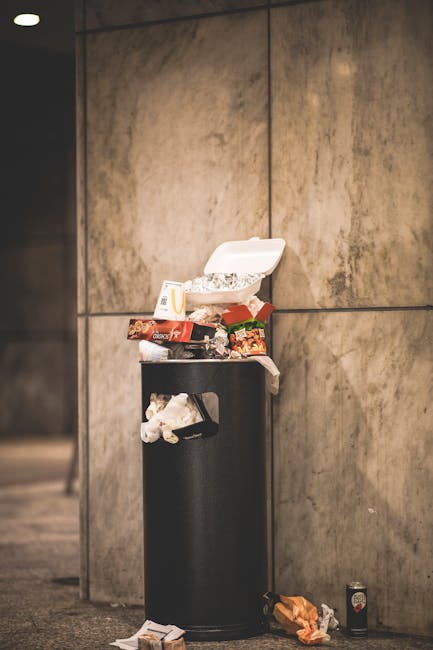
Lee High Road Rubbish Guide: Local Disposal Options
If you're dealing with unwanted rubbish on or near Lee High Road, the quickest solution is not always the best one. A bulky sofa, a few sacks of household waste, renovation debris, or a garage full of mixed items can all call for different disposal routes. This guide to Lee High Road rubbish disposal options explains what to do, what to avoid, and how to choose a method that fits your waste, budget, and time.
Whether you're clearing a flat, handling a spring clean, or dealing with builders' waste after a small project, the right approach can save you time and reduce stress. It can also help you stay on the right side of local rules and disposal standards. Truth be told, rubbish is rarely exciting - but getting rid of it properly is one of those chores that feels much better once it's done.
This guide covers the practical choices available locally, including council collection routes, reuse and recycling options, skip-style solutions where appropriate, and professional clearances for larger or more awkward loads. It also shows you how services like waste removal in Lee can fit into a more efficient plan, especially if you want a fast, tidy, no-drama clear-out.
Table of Contents
- Why Lee High Road Rubbish Guide: Local Disposal Options Matters
- How Lee High Road Rubbish Guide: Local Disposal Options Works
- Key Benefits and Practical Advantages
- Who This Is For and When It Makes Sense
- Step-by-Step Guidance
- Expert Tips for Better Results
- Common Mistakes to Avoid
- Tools, Resources and Recommendations
- Law, Compliance, Standards, or Best Practice
- Options, Methods, or Comparison Table
- Case Study or Real-World Example
- Practical Checklist
- Conclusion
- Frequently Asked Questions
Why Lee High Road Rubbish Guide: Local Disposal Options Matters
Lee High Road sits in a busy part of southeast London, so rubbish disposal is rarely a simple "put it outside and hope for the best" situation. Flats, terraced homes, shared entrances, limited parking, and narrow access routes all make disposal more complicated than people expect. If you choose the wrong route, you can end up with missed collections, fly-tipping risk, damaged communal areas, or waste sitting around longer than it should.
Local disposal options matter because the right method depends on the type of rubbish, the quantity, and how quickly you need it gone. A few bags of household clutter may suit a standard collection or reuse route. A mattress, broken furniture, or renovation rubble may need a different solution altogether. If you are dealing with a mixed load, it often pays to sort what can be reused, recycled, or handled separately before you book anything.
There is also a trust element. People want a service that is transparent, insured, and careful with access, especially in built-up streets where a rushed job can create more problems than it solves. For that reason, it helps to look at providers with clear policies and service standards, such as the information available on health and safety practices and insurance and safety. These pages matter because they show what a professional operator should be thinking about before they lift a single item.
Expert takeaway: the best rubbish disposal option is usually the one that matches the waste type, access conditions, and urgency - not just the cheapest headline price.
How Lee High Road Rubbish Guide: Local Disposal Options Works
In practical terms, rubbish disposal on Lee High Road usually falls into one of a few paths. You may arrange a council-style collection for accepted items, transport waste yourself to a disposal point, use a skip or container where suitable, or book a professional clearance team to collect and sort the waste for you. The best choice depends on what you're throwing away and how much handling you want to do yourself.
Here's the basic logic most people follow:
- Identify the waste type. Household junk, furniture, garden material, office items, builders' waste, and electricals can all need different handling.
- Estimate volume. A few bags are a different proposition from a room full of furniture or construction debris.
- Check access. Stairs, parking restrictions, loading space, and shared hallways can affect the most practical option.
- Separate reusable or recyclable items. This often reduces disposal costs and improves environmental outcomes.
- Choose the right collection method. That might be a local council route, a private clearance, or a specialist service.
Professional services are often useful when the rubbish is mixed, bulky, or awkward. For example, a flat clearance can involve furniture, bags, old appliances, and small miscellaneous items all at once. In that case, a dedicated service such as flat clearance in Lee can be much simpler than trying to organise multiple disposal methods yourself.
If the waste comes from work at home - think plaster, timber, tiles, old fixings, or packaging from a refurbishment - you may be dealing with builders' waste rather than general rubbish. That is where a service like builders' waste clearance becomes relevant, because mixed construction waste is not the same thing as domestic clutter.
Key Benefits and Practical Advantages
Good local disposal is about more than simply clearing space. Done properly, it makes your property safer, easier to use, and less stressful to manage. It can also reduce the chance of items being dumped in the wrong place or left in communal areas where they become everyone else's problem.
- Faster turnaround: useful when you need a room, hallway, or outside area cleared quickly.
- Less lifting and sorting for you: especially valuable if the rubbish is heavy or awkward.
- Cleaner access routes: important in shared buildings and narrow residential streets.
- Better recycling outcomes: professional sorting can keep reusable items out of general waste.
- More predictable handling: you know who is collecting, what they are taking, and how the job will be done.
- Reduced risk of mistakes: helpful when waste includes electricals, furniture, or mixed materials.
There is a practical upside too: when rubbish is removed efficiently, the rest of the job becomes easier. A decluttered room is quicker to clean, easier to decorate, and far less frustrating to live or work in. If you're clearing out old sofas, wardrobes, or office furniture, dedicated services like furniture disposal and furniture clearance can be a far neater fit than trying to break everything down yourself on a busy weekday morning.
And if you are planning a larger clear-out, a broader service such as home clearance or house clearance can reduce the number of separate decisions you need to make. That is often where the real convenience lies.
Who This Is For and When It Makes Sense
This guide is for anyone on or near Lee High Road who needs to dispose of waste without wasting time. That includes homeowners, tenants, landlords, letting agents, shop operators, tradespeople, office managers, and people helping a relative clear a property. The common thread is simple: you want an option that is local, practical, and proportionate to the job.
It usually makes sense to use a more structured rubbish disposal option when you face one of these scenarios:
- You have bulky items that will not fit in a standard bin.
- You are clearing a property after a move, refurbishment, or tenancy change.
- You have mixed waste that would be time-consuming to separate and transport yourself.
- You need a quick result because access, deadlines, or neighbours make delay inconvenient.
- You want a disposal route that includes lifting, loading, and responsible handling.
For business premises, the needs are slightly different. Office equipment, files, chairs, shelving, and packaging may all need to leave the building safely and efficiently, often with minimal disruption. In those cases, office clearance in Lee is usually a better fit than a general "rubbish removal" description, because it accounts for desks, cabling, access, and workspace tidiness.
There is also a local reality worth acknowledging: in busy residential streets, leaving waste unmanaged for too long can become an eyesore or a nuisance. That is why people often move quickly once the pile starts growing. Nobody enjoys stepping around three bags, a chair leg, and a mystery box in the hallway. It happens more often than anyone admits.
Step-by-Step Guidance
If you want the smoothest result, work through the disposal process in order. Rushing straight to booking without sorting the basics is where many people go wrong.
1. Identify what you are disposing of
Start with the material. Is it household rubbish, furniture, garden debris, builders' waste, office items, or a mixture? Different items may be accepted differently, and some require special handling. A broken wardrobe, for example, may need dismantling, while a bag of general clutter may be straightforward to remove.
2. Separate reuse, recycling, and true waste
If an item can still be used, donated, or repurposed, it should be considered before disposal. This is especially sensible for furniture, appliances, and good-quality household items. Reuse first, then recycle, then dispose.
3. Estimate the amount and access conditions
Look at the total volume and the practical logistics. Will the items come from a loft, basement, rear garden, or third-floor flat? Can a vehicle stop nearby? Will a team need to carry items down stairs? These details shape the best option and help avoid surprise costs later.
4. Choose your disposal route
At this point, decide whether you need a council route, a private clearance, or a specialist service. If the rubbish includes garden cuttings, a service like garden clearance may be the cleanest choice. For garages filled with old tools, paint tins, cardboard, and broken storage items, garage clearance is often more efficient.
5. Get clear on what is included
Before confirming anything, check whether loading, labour, sorting, disposal fees, and recycling are included. Also check whether the provider can deal with awkward access or heavy objects. A proper quote should leave you with a clear picture of the job, not a guess.
6. Prepare the site
Make the collection easier by moving loose items together, clearing corridors where possible, and separating anything you want to keep. If you live in a shared property, tell neighbours or building management when relevant. A little preparation often saves a surprising amount of time.
7. Confirm what happens after collection
Ask how the waste will be handled. Responsible services should aim to sort, recycle, and dispose of items appropriately, rather than simply dumping everything together. If sustainability matters to you - and it probably should - review a provider's recycling and sustainability approach before you book.
Expert Tips for Better Results
A few small decisions can make a big difference to the end result. These are the things that tend to separate a painless clearance from a frustrating one.
- Bundle by category. Keep metal, wood, furniture, and general rubbish separate where practical.
- Photograph the load. Pictures help you request a more accurate quote and reduce misunderstandings.
- Think in access routes, not just item count. A small pile on the fourth floor can be harder than a larger pile on the ground floor.
- Be realistic about DIY removal. Lifting heavy or sharp items is not worth a strained back or damaged stairwell.
- Ask about payment clarity. Reputable providers should make terms straightforward; a dedicated pricing and quotes page is usually a good sign.
- Check how the provider handles security and payment. Transparency here is part of trust, not a nice extra. A professional page such as payment and security information is reassuring.
One quiet but valuable tip: if you are clearing a mixed space like a loft, garage, or shed, start from the items easiest to sort. That gives you space to work and often reveals what can be recycled or kept. Services such as loft clearance can be especially helpful when you want the whole process handled in one visit.
In our experience, the people who have the easiest clearances are the ones who answer three simple questions early: what is it, where is it, and how much is there?
Common Mistakes to Avoid
Most rubbish disposal problems are avoidable. They usually come from assuming all waste is handled the same way or underestimating the awkwardness of the job.
- Mixing all waste together without checking. Some materials need different handling.
- Forgetting about access. Narrow staircases, no parking, or shared hallways can affect collection.
- Choosing a service before understanding the load. This can lead to inaccurate pricing or the wrong vehicle size.
- Leaving items in communal areas. That can create complaints and may breach building rules.
- Ignoring heavy or hazardous objects. Broken glass, sharp metal, and certain household products deserve caution.
- Not checking what happens to reusable items. You may miss an opportunity to reduce waste responsibly.
Another common error is treating office or business rubbish like domestic waste. A business move-out can include filing cabinets, desks, electronics, packaging, and confidential material. That is a different planning problem. If you're handling a commercial premises, look at business waste removal rather than trying to improvise a household solution.
And if the job is larger than expected, it is usually wiser to upgrade the disposal method than to force a smaller one to work. Rubbish has a habit of multiplying just when you think you've finished. Funny how that works.
Tools, Resources and Recommendations
You do not need specialised equipment for every job, but the right basics can make the whole process cleaner and safer.
- Heavy-duty gloves: useful for broken packaging, rough edges, and dusty areas.
- Strong bags or boxes: best for smaller waste that needs to be moved in stages.
- Tape measure: helpful when checking whether furniture fits through doors or down stairs.
- Labels or marker pens: great for sorting keep, donate, recycle, and dispose piles.
- Phone camera: simple but effective for quoting and planning.
For more complex jobs, choose a provider that offers straightforward explanations and practical support. Pages such as about the team and contact details help build confidence before you commit. If you want to see the wider service approach, the main Lee clearance website can help you match the disposal option to the type of job.
If you are comparing services, look for signs of care rather than just speed. Clear communication, sensible scheduling, and a visible commitment to recycling are all good indicators. A professional company should also make its policies easy to find, including areas like accessibility, complaints, and terms, because those details matter when you are trusting someone to enter your property and handle your waste.
Law, Compliance, Standards, or Best Practice
Waste disposal in the UK is not something to take casually. Even if you are only dealing with domestic rubbish, you still want to be sure the waste is being removed lawfully and responsibly. The safest approach is to use a reputable provider, keep records where appropriate, and avoid handing waste to anyone who cannot explain where it is going.
There are a few broad best-practice principles worth keeping in mind:
- Use a responsible carrier: if someone is taking waste away for payment, they should be operating properly and handling disposal lawfully.
- Do not leave waste in the street: this can create nuisance, access issues, and possible enforcement problems.
- Separate anything requiring special attention: some items need extra care or specific handling, depending on their condition and material.
- Be cautious with confidential materials: paper records, mail, or office documents should be treated carefully.
- Choose providers with transparent policies: safety, terms, and sustainability information should be easy to review.
For business customers, compliance matters even more. That is why reputable firms often publish pages covering terms and conditions, privacy policy, and operational standards. It is not just paperwork. It tells you how the company thinks and how your waste will be managed.
If you want a provider that clearly explains its wider operational approach, reviewing service standards such as insurance and safety and recycling and sustainability is a sensible starting point. Calm, transparent, and professional beats guesswork every time.
Options, Methods, or Comparison Table
Different disposal methods suit different jobs. The table below gives a practical comparison to help you choose the most sensible route.
| Option | Best for | Strengths | Limitations |
|---|---|---|---|
| Council-style collection or local disposal route | Smaller, routine household waste | Can suit simple, familiar disposal needs | May not handle bulky or mixed items well |
| Self-transport to a disposal point | People with a vehicle and a small load | Direct control over timing | Requires loading, transport, and your own time |
| Skip-style solution | Some renovation or heavy waste jobs | Useful for ongoing projects | Requires space, permits may matter, and it is not ideal for every street |
| Professional rubbish removal | Bulky, mixed, awkward, or urgent waste | Fast, hands-off, and often the simplest overall | Cost depends on volume, labour, and access |
| Specialist clearance services | Homes, flats, garages, lofts, gardens, offices, or builders' waste | Highly tailored to the job type | Needs the right service category |
For many Lee High Road jobs, the most efficient route is a professional clearance that handles lifting, loading, and sorting in one go. If the job is split across rooms or contains a wide mix of items, a more tailored service can save both time and hassle. For example, general waste removal suits mixed domestic loads, while home clearance is better when the clutter is spread through several areas.
Case Study or Real-World Example
Imagine a typical Lee High Road flat where the occupier has just finished moving out. There is a broken wardrobe in one bedroom, a sofa that will not fit through the stairwell without careful handling, two bin bags of mixed clutter, an old desk, and a small pile of packaging from the move. None of it is extreme, but it is awkward enough to become a real task if tackled piece by piece.
In that situation, the most sensible first step is to sort the items by type. The wardrobe and sofa can be grouped as bulky furniture. The desk may be manageable depending on condition. The bags of clutter can be assessed separately. If there are also items in the loft or hallway, those should be brought together so the full load is visible before booking anything.
Now compare the options. A self-tip run may work if the person has a van, spare time, and the strength to move furniture safely. But if parking is limited, the stairwell is tight, and the move-out deadline is close, a professional collection becomes more attractive. A service such as furniture clearance would handle the bulky items, while a broader house clearance approach could deal with the mixed leftover bits at the same time.
The result is usually fewer trips, less lifting, and a much cleaner finish. The space is ready for cleaning, handover, or the next stage of work. That is the real win: not just "getting rid of rubbish," but getting the property back into shape without drama.
Practical Checklist
Use this checklist before you book or start the disposal process.
- Identify the type of rubbish you have.
- Separate reusable, recyclable, and disposable items.
- Check the size and weight of bulky items.
- Measure access routes, stairs, and doorways if needed.
- Decide whether the job is domestic, commercial, garden, or builders' waste.
- Take photos of the load for clearer quoting.
- Confirm what is included in the service.
- Ask how items will be handled after collection.
- Review the provider's safety, payment, and policy information.
- Clear the collection route as much as you reasonably can.
If the job is substantial, you may also want to ask about property-specific services such as garage clearance, loft clearance, or builders' waste clearance. Matching the service to the waste is often the simplest way to avoid overpaying or under-planning.
Practical summary: sort first, measure access, compare disposal routes, and choose the option that removes the waste safely with the least friction.
Conclusion
Lee High Road rubbish disposal does not need to be complicated, but it does need to be thought through. The right option depends on what you're clearing, how much there is, how accessible the property is, and how quickly you need the area back. Small, simple loads may suit one route, while bulky mixed clearances are usually better handled by a professional service.
The main thing is to avoid treating every type of rubbish the same. Furniture, office items, garden waste, and builders' debris all bring different practical issues. Once you understand that, choosing a sensible disposal route becomes much easier. Better still, you reduce the chance of delays, extra trips, and avoidable stress.
If you want a clean, efficient solution with less lifting and less guesswork, professional support is often the most practical answer.
Get a free quote today and see how much you can save.
Frequently Asked Questions
What is the best way to get rid of rubbish on Lee High Road?
The best option depends on the amount and type of rubbish. Small routine waste may suit a basic local disposal route, while bulky or mixed items are often easier to handle with a professional clearance service.
Can I put bulky waste out for normal collection?
Usually not unless it is specifically accepted by the collection route you are using. Bulky furniture, mattresses, and awkward items often need separate arrangements or a dedicated removal service.
What happens to items collected by a rubbish removal team?
Responsible teams should sort items for reuse, recycling, and disposal where possible. The exact handling depends on the item type and the provider's waste processes.
Is it worth using a professional service for just a few items?
Sometimes yes, especially if the items are heavy, hard to carry, or difficult to transport. A few bulky pieces can take more time and effort than a much larger but lighter load.
How do I know whether I need furniture clearance or general waste removal?
If the main items are sofas, beds, tables, wardrobes, or similar pieces, furniture clearance is usually more appropriate. If the load is mixed household clutter, general waste removal may be the better fit.
Do I need to sort everything before collection?
You do not always need to sort everything perfectly, but basic separation helps. Keeping reusable items apart and grouping similar materials can make the job quicker and more efficient.
What should I do with rubbish from a small DIY job?
DIY waste often includes wood, plaster, tiles, packaging, and fixings. It is best to treat it as builders' waste rather than ordinary household rubbish, because it may require a different collection approach.
How can I reduce disposal costs?
Reduce the volume where possible, separate reusable items, and provide accurate photos or descriptions when requesting a quote. Clear access and good preparation can also help.
Is it safe to move all the rubbish myself?
Not always. Heavy furniture, sharp debris, and awkward items can cause injury or damage to walls, stairs, and floors. If the load is substantial, professional help is often the safer option.
What if I need rubbish cleared from a flat with stairs?
That is a very common scenario, and it is exactly where a structured clearance service helps. The team can factor in access, lifting, and the route out of the property before collection day.
Can waste be collected from garages, lofts, or gardens too?
Yes. Those spaces often contain a mix of old items, tools, bags, and bulky materials. Services like garage, loft, and garden clearance are designed for those specific situations.
How do I choose a trustworthy local provider?
Look for clear pricing, safety information, sensible policies, and a straightforward contact process. Transparency is usually a good sign that the company will handle your waste responsibly and professionally.