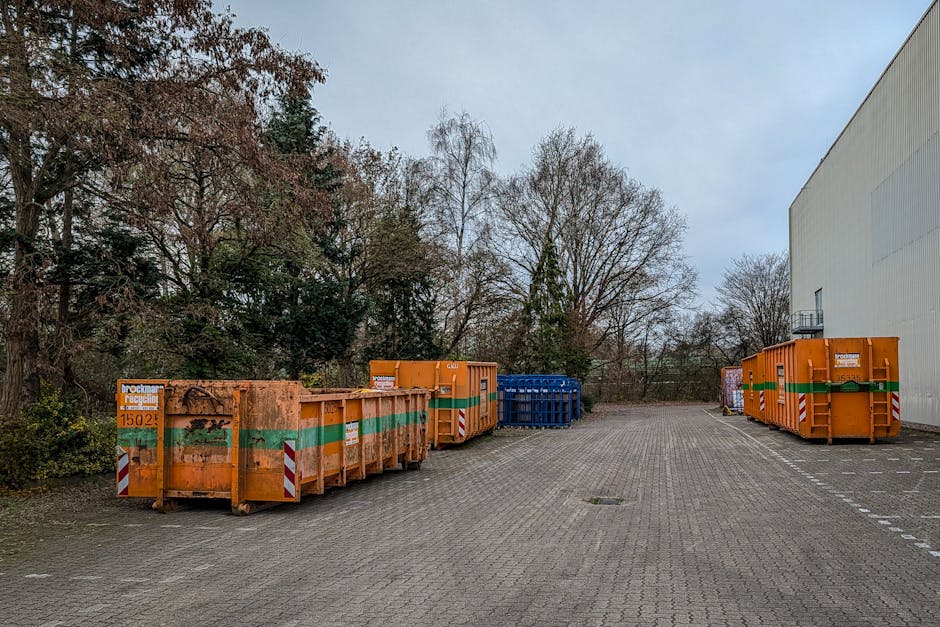
Skip Hire Near Blackheath & Lee Green: Local Options
If you are planning a clear-out, renovation, or garden overhaul, choosing the right skip hire near Blackheath & Lee Green can save time, reduce stress, and keep waste moving in the right direction. The tricky part is not just finding a skip; it is finding a local option that fits your street, your load, your budget, and the practical realities of South East London access.
In places like Blackheath and Lee Green, where residential roads, front gardens, parking pressure, and busy neighbourhoods can all affect delivery, the best solution is often the one that feels simplest on paper and works best on the day. This guide breaks down your local options, how the service works, what to check before you book, and when a skip may not be the smartest route at all.
For readers comparing waste services more broadly, you may also find it useful to explore general waste removal options, builders waste clearance, or specific services such as garden clearance and house clearance.
Table of Contents
- Why local skip hire matters in Blackheath & Lee Green
- How skip hire works locally
- Key benefits and practical advantages
- Who this is for and when it makes sense
- Step-by-step guidance
- Expert tips for better results
- Common mistakes to avoid
- Tools, resources and recommendations
- Law, compliance and best practice
- Options, methods and comparison table
- Case study or real-world example
- Practical checklist
- Conclusion
- Frequently asked questions
Why Skip Hire Near Blackheath & Lee Green: Local Options Matters
Blackheath and Lee Green sit in a part of London where local conditions make a real difference to waste disposal. A straightforward project can become awkward if access is tight, parking is limited, or the skip blocks the pavement. That is why local knowledge matters as much as the container itself.
When you choose a local provider, you are not only buying a skip size. You are also buying route familiarity, an understanding of typical road constraints, and better odds of a smoother delivery and collection. That is especially useful if you live on a narrower residential street, share access with neighbours, or need the skip positioned with care.
It also helps to think beyond the headline price. The cheapest quote can look appealing until you factor in permit issues, collection delays, unsuitable skip sizing, or extra charges for restricted access. A good local option should feel predictable, not complicated.
For some jobs, a skip is the right answer. For others, an arranged collection service can be more practical. If you are clearing bulky items rather than mixed rubble, compare the cost and effort with furniture disposal or a broader furniture clearance service. That simple comparison often saves people from booking more capacity than they need.
Expert summary: The best local waste solution is rarely the one with the biggest skip. It is the one that matches your access, waste type, collection timing, and street conditions without creating avoidable hassle.
How Skip Hire Near Blackheath & Lee Green: Local Options Works
The process is usually simple, but the small details matter. You choose a skip size, confirm what type of waste you are loading, arrange delivery, and then fill the skip within the agreed terms. Collection follows once you are done or within your hire period.
In practice, the booking conversation is where the value is won or lost. A decent provider should ask about access, location, waste type, and whether the skip will sit on private land or on the road. If the skip needs to go on a public highway, a permit may be required. The exact process can vary, so it is sensible to check the local requirements rather than assume.
You should also consider timing. In busy urban areas, a morning delivery often gives you more control over parking and site access. If you are coordinating tradespeople, a skip arriving after the work starts can slow everything down. In a home clear-out, by contrast, a later drop-off might be more convenient if you need to sort what stays and what goes.
Some jobs are better suited to a skip alternative. For example, if you are emptying a flat, a flat clearance service can be more efficient than hiring a container, especially where stairs, lift access, or shared entrances complicate loading. Likewise, business premises often benefit from a tailored business waste removal arrangement rather than a standard skip sitting outside the office for days.
Key Benefits and Practical Advantages
A well-chosen skip gives you a tidy, controlled place to put waste while work progresses. That sounds obvious, but the practical value is huge. Your driveway stays usable, mess is contained, and the job usually feels more manageable because the waste is no longer spreading through the house, garden, or site.
There are also operational advantages:
- One place for mixed waste: Helpful for renovations, decluttering, and garden work where waste builds up quickly.
- Less repeated driving: You avoid multiple trips to a tip, which saves fuel and time.
- Better site control: Keeping waste in one location reduces trip hazards and clutter.
- More efficient projects: Trades and householders can work continuously without waiting to clear debris.
- Scalable sizes: Smaller domestic jobs and larger refurbishments can be matched to different skip volumes.
That said, the best outcome comes from matching the service to the job. A small bathroom rip-out may only need a modest skip or an alternative collection. A full loft clear-out, on the other hand, may be better handled through a wider service such as loft clearance or home clearance, especially if you also want furniture and loose items removed in one go.
Another benefit is mental, if that does not sound too dramatic. Once the waste is contained, the project suddenly feels less chaotic. The room looks closer to finished. The garden looks more like a garden again. Let's face it, that change in mood matters.
Who This Is For and When It Makes Sense
Local skip hire is a strong fit for homeowners, landlords, tradespeople, and small businesses who have a clear volume of waste and enough space to manage delivery. It is particularly useful when the waste is bulky, mixed, or awkward to transport in a car.
Typical users include:
- Home renovators removing old fixtures, flooring, and general debris
- Gardeners and homeowners tackling soil, branches, shed contents, or landscaping waste
- Builders and decorators generating plaster, timber, packaging, and light construction waste
- Landlords and agents dealing with end-of-tenancy clear-outs
- Offices and small businesses clearing fittings, archive waste, or old furniture
It makes the most sense when the waste stream is steady over several hours or days. If everything appears at once and needs immediate removal, an all-in service such as office clearance or house clearance may be a better fit. The right answer depends on the shape of the job, not just the amount of rubbish.
One good rule: if you want maximum flexibility while you work, a skip helps. If you want minimum effort and a team to handle lifting, sorting, and removal, a clearance service often wins.
Step-by-Step Guidance
Here is a practical way to approach skip hire in Blackheath or Lee Green without overcomplicating it.
- List the waste types. Note whether you have rubble, wood, metal, garden waste, furniture, or mixed household items.
- Estimate volume honestly. Overfilling creates problems; underestimating can lead to extra costs or a second hire.
- Check access. Measure the driveway, gate, turning space, and any overhead restrictions if relevant.
- Decide where the skip will sit. Private land is usually simpler than a roadside placement.
- Ask about permit needs. If the skip must go on a public road, confirm what is required before booking.
- Book the right size. If in doubt, describe the project in plain English rather than guessing the capacity.
- Load it safely. Put heavier items at the bottom and do not exceed the fill line.
- Keep prohibited items out. Batteries, paint, tyres, gas cylinders, asbestos, and electrical waste often need separate handling.
- Arrange collection promptly. Once the job is complete, do not leave the skip sitting longer than needed.
For bulky household items, you may find it more efficient to combine a skip with targeted disposal. For example, you might handle general debris in a skip while arranging furniture clearance for large wardrobes or sofas that are awkward to break down by hand.
Expert Tips for Better Results
A few small decisions can make a large difference to the experience.
- Prioritise the access check. Many issues arise not from waste volume but from the delivery vehicle not fitting comfortably.
- Break items down first. Flat-pack timber, dismantled furniture, and collapsed cardboard waste far less space than whole items.
- Separate reusable items early. What can be donated, reused, or sold should not end up in mixed waste by default.
- Do not assume all waste is acceptable. Builders' rubble, green waste, and household junk may need different handling depending on the service.
- Match the service to the street. In tighter roads, a smaller container or an alternative collection can be more practical than forcing a larger skip into place.
Also, think about the wider job. If your project includes plasterboard, timber, old fixtures, and general rubbish, a specialist option like builders waste clearance may remove the guesswork. If the work centres on outdoor cleanup, garden clearance can be cleaner and quicker than filling a skip with green waste alone.
A small but valuable tip: keep a pile of items you are unsure about away from the main load until you have checked whether they are allowed. That tiny bit of organisation prevents last-minute headaches.
Common Mistakes to Avoid
Most skip-hire problems are avoidable. They usually come from rushing the booking or assuming everything works the same way everywhere. It does not.
- Choosing a skip that is too small. This is the classic mistake. The second collection always feels more expensive than getting the sizing right first time.
- Ignoring access constraints. A perfect price means little if delivery becomes a struggle.
- Mixing prohibited materials with general waste. This can delay collection or cause extra charges.
- Leaving the booking too late. Availability can tighten during busy periods or around local project peaks.
- Assuming a roadside skip is simple. It may require a permit and careful positioning.
- Loading carelessly. Loose, uneven waste is harder to manage and may not be safe to transport.
There is another common issue: booking a skip when a full-property clearance would be cleaner, faster, and better value. If the job involves an entire house, garage, or loft, compare it first with garage clearance or home clearance. In many real-world cases, the lower-effort option is the smarter one.
Tools, Resources and Recommendations
You do not need specialist equipment to manage a small skip job well, but a few simple tools help.
- Measuring tape: Useful for checking drive width, gate size, and tight access points.
- Gloves and sturdy shoes: A basic safety step when moving awkward items.
- Dust sheets or tarps: Helpful for protecting floors or covering waste in poor weather.
- Box cutters and screwdrivers: Handy for dismantling furniture and flattening cardboard.
- Labels or marker pens: Good for sorting keep, donate, and dispose piles during a clear-out.
For more context on what happens after collection, take a look at a provider's recycling and sustainability approach. That is especially relevant if you care about diversion from landfill, material sorting, or responsible handling of mixed waste. You may also want to review pricing and quotes carefully so you know what is included and what might cost extra.
Trust signals matter too. It is sensible to check insurance and safety information, especially for larger jobs or properties with access challenges. A transparent provider should make this easy to find and easy to understand.
Law, Compliance, Standards, or Best Practice
Waste handling in the UK comes with responsibilities. You do not need to be an expert to book a skip, but you should expect the service to follow sensible legal and environmental practice.
At a practical level, that means:
- using a reputable carrier for waste transport
- keeping restricted materials out of general loads
- understanding whether a permit is needed for roadside placement
- avoiding overfilling or unsafe loading
- checking how waste is sorted, recycled, or disposed of after collection
If you are a business, the standards around duty of care and record-keeping are especially important. Even for domestic customers, it is sensible to ask what happens to the waste once it leaves your property. That is where the provider's general approach to responsible waste management becomes more than a marketing phrase.
For service quality, clear terms also matter. A well-run company should have transparent terms and conditions, straightforward payment processes, and a visible route for support if something goes wrong. If you are comparing providers, those details are part of the service, not paperwork to ignore.
Best practice is simple: ask questions before booking, not after the skip has arrived and your driveway is already full of rubble.
Options, Methods, or Comparison Table
If you are deciding between skip hire and a more hands-on collection service, the table below gives a practical comparison. It is not about which is universally better. It is about which suits your job and your street.
| Option | Best for | Advantages | Watch-outs |
|---|---|---|---|
| Skip hire on private land | Ongoing DIY, renovations, and garden work | Convenient, flexible, good for mixed waste | Needs space and careful loading |
| Roadside skip hire | Properties without driveways or rear access | Useful where access is limited | May need a permit and careful positioning |
| Waste removal collection | Single-day clear-outs and bulky item removal | Little to no manual loading for the customer | Less useful for ongoing projects |
| House or flat clearance | Whole-room, property, or tenancy clear-outs | Fast, organised, labour included | Not ideal if you want to sort items over several days |
If you are still undecided, a quick rule of thumb helps: use skip hire for waste you are happy to load over time, and use clearance services for waste you want lifted and removed with minimal effort.
Case Study or Real-World Example
Imagine a typical weekend project in Lee Green: a terraced house with a small front area, a hallway full of old storage, and a garden that needs clearing before landscaping begins. The owners first think about a large skip. After checking access, they realise a bigger container would complicate parking and leave little room to work.
Instead, they split the job into two parts. The loose garden waste, broken timber, and general debris are handled through a managed waste collection arrangement, while bulky indoor items are removed as part of a house clearance style service. The result is less clutter, fewer loading problems, and no unnecessary over-ordering of capacity.
This kind of blended approach is common. In real life, projects are rarely neat enough to fit one box. You may have some items to keep, some to recycle, and some to remove quickly. A good local waste plan should account for that.
Another example is a small renovation near Blackheath where plasterboard, packaging, and broken fittings accumulate over five days. A skip works well there because the work is ongoing and the materials are generated gradually. Different job, different solution. Simple, but easy to miss when you are focused on the task itself.
Practical Checklist
Use this checklist before you book:
- Have I identified the main waste types?
- Do I know roughly how much waste I will create?
- Is there enough space for delivery and collection?
- Will the skip go on private land or the road?
- Do I need to check permit requirements?
- Have I confirmed what waste is not allowed?
- Would a clearance service be more practical than a skip?
- Have I checked pricing, collection timing, and any extras?
- Have I reviewed safety and insurance information?
- Have I planned how I will load the waste safely?
If you can answer those questions confidently, you are already ahead of most rushed bookings. And if a few answers are still unclear, that is exactly the point where asking for advice saves money.
Conclusion
Skip hire near Blackheath and Lee Green works best when it fits the realities of the area: limited space, varied access, and the need for a straightforward, dependable waste solution. The right local option should feel tailored, not generic. It should suit the street, the waste type, and the way your project actually unfolds.
For some readers, a skip is the obvious choice. For others, a targeted clearance service, furniture removal, or builders waste collection will be quicker and cleaner. The good news is that once you compare the options properly, the decision becomes much clearer.
Choose the method that makes the rest of the job easier. That is usually the one you will be glad you booked.
Get a free quote today and see how much you can save.
If you are ready to compare services or ask a question about access, timings, or waste type, visit the main contact page or review the provider's about us information before you decide.
Frequently Asked Questions
What is the best skip size for a home project in Blackheath or Lee Green?
The best size depends on the type of waste, not just the room count. A small declutter may only need a modest container, while renovation waste can fill space faster than expected. If in doubt, describe the project clearly rather than guessing.
Do I need a permit for skip hire near Blackheath & Lee Green?
If the skip goes on a public road or highway, a permit may be required. If it stays on private land such as a driveway, a permit is often not needed. Always confirm this before booking because local rules and arrangements can vary.
How long can I keep a skip for?
Hire periods vary by provider and by the type of job. Some customers need a short-term drop-off for a weekend clear-out, while others need longer for phased renovation work. Check the collection window before you commit.
What waste can I put in a skip?
Most general household waste, garden waste, and many construction materials are commonly accepted, but restricted items are often excluded. Items such as batteries, paint, asbestos, tyres, and gas cylinders usually need separate handling.
Is skip hire cheaper than a clearance service?
Not always. Skip hire can be economical if you are loading the waste yourself and have room for delivery. A clearance service may be better value if you need lifting help, quick removal, or a full property cleared in one visit.
What if my street is too narrow for a large skip?
That is a common issue in London areas with tighter access. In that case, a smaller skip, a driveway placement, or a waste removal service may work better. The safest approach is to ask about access before booking.
Can I mix garden waste with other rubbish?
Sometimes yes, but it depends on the provider and the waste stream involved. Mixing can be convenient, but it is often better to keep green waste separate if you want cleaner recycling outcomes or a simpler collection process.
What is the difference between skip hire and waste removal?
Skip hire gives you a container to fill yourself over time. Waste removal usually means a team collects the items for you, often in a single visit. If you want minimal manual handling, removal may be the better fit.
How do I avoid overfilling a skip?
Break items down where possible, load flat materials first, and keep an eye on the fill line. Overfilled skips may be unsafe to collect and can lead to extra charges or delays. It is better to leave a little space than force the last items in.
What should I check before choosing a local provider?
Look at pricing clarity, access advice, collection timing, permitted waste types, insurance and safety information, and any support pages that explain how the service works. A good provider should make these details easy to understand.
Are there better options for a full house or office clear-out?
Yes. For a full property, a dedicated clearance service can be simpler and faster than a skip. If you are dealing with an entire home, flat, or office, consider home clearance, flat clearance, or office clearance depending on the property type.